ARA-290 Peptide – Advanced Research Compound for Tissue Protection and Cellular Signaling Studies
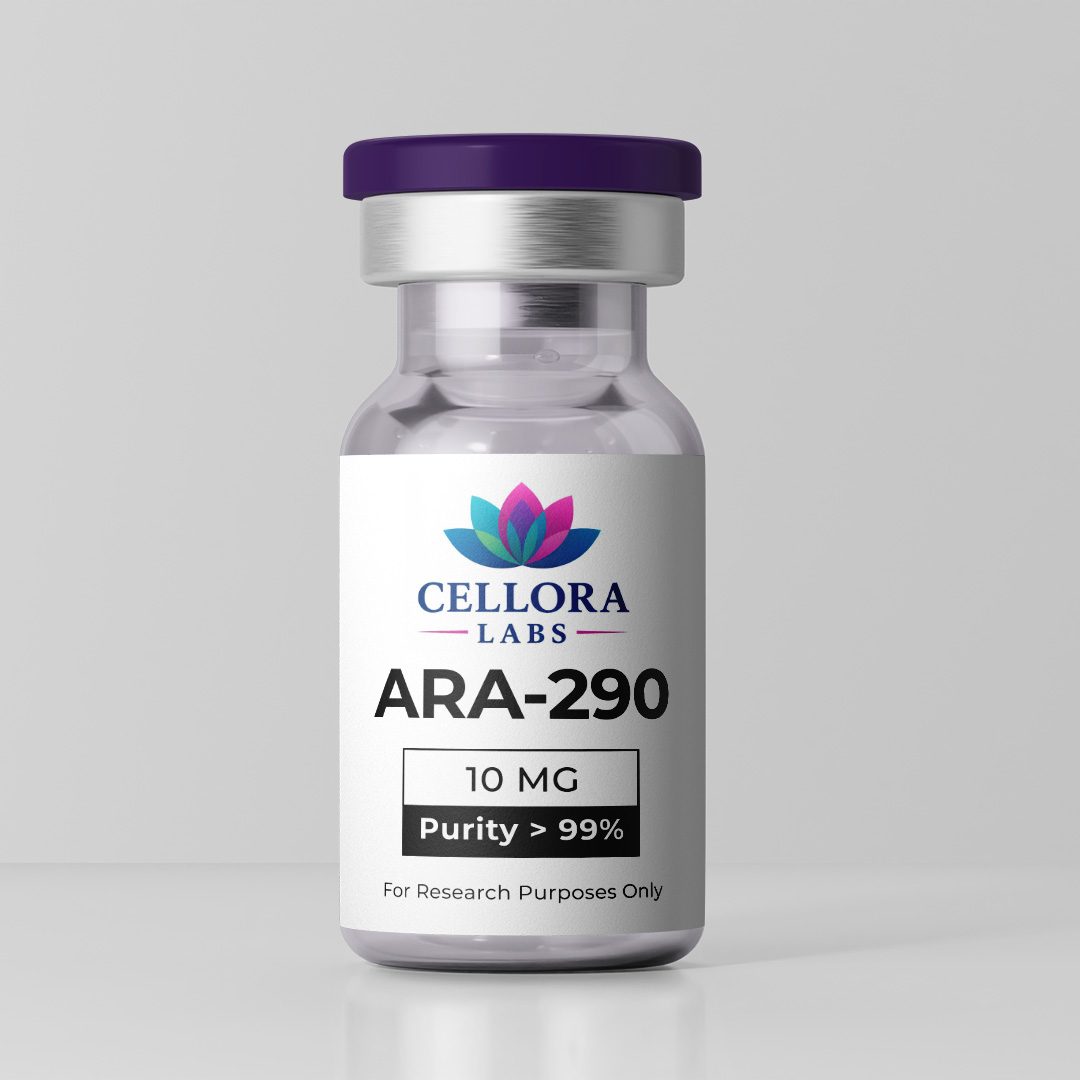
ARA-290 peptide is a synthetic peptide derived from the structure of erythropoietin (EPO), specifically engineered for advanced scientific research focused on tissue protection, cellular signaling, and inflammation modulation. Designed to selectively intera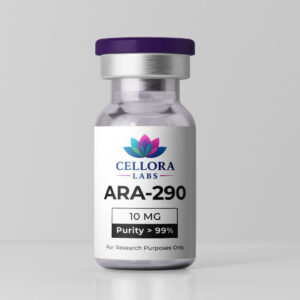 ct with the innate repair receptor (IRR), ARA-290 has gained significant attention in the fields of molecular biology, peptide science, and experimental pharmacology. Its unique mechanism of action allows researchers to explore cytoprotective pathways without stimulating erythropoiesis, making it a valuable compound for targeted in vitro and preclinical investigations.
In laboratory settings, ARA-290 is widely utilized for studying cellular repair processes, particularly in environments involving oxidative stress, metabolic dysfunction, and inflammatory responses. Researchers investigating nerve cell integrity, mitochondrial health, and tissue regeneration pathways often incorporate ARA-290 into controlled experimental models. Its selectivity for non-hematopoietic receptors distinguishes it from traditional erythropoietin-based compounds, enabling more precise examination of biological effects without confounding variables related to red blood cell production.
One of the key advantages of ARA-290 in research applications is its ability to support the study of inflammatory signaling cascades. Scientists examining cytokine activity, immune modulation, and cellular stress responses can use this peptide to better understand how inflammation impacts tissue damage and recovery. This makes ARA-290 particularly relevant in experimental models involving neurological tissues, metabolic systems, and cellular injury responses. Its consistent performance and stability in laboratory conditions contribute to reproducible and reliable data across multiple research settings.
ARA-290 is typically synthesized using high-purity peptide manufacturing processes to ensure batch consistency and minimal contamination. This level of quality is critical for laboratories that require precise dosing and reproducibility in sensitive assays. The peptide is commonly supplied in lyophilized form, allowing for flexible reconstitution depending on the specific requirements of each experiment. Proper handling and storage are essential to maintain its structural integrity, with researchers advised to store it under controlled conditions and protect it from environmental factors such as moisture, heat, and light.
In addition to its applications in cellular and molecular research, ARA-290 is frequently used in studies exploring receptor binding dynamics and signal transduction pathways. By interacting with the innate repair receptor complex, this peptide enables scientists to investigate downstream effects related to cell survival, apoptosis regulation, and tissue resilience. These insights are valuable for expanding the understanding of how cells respond to stress and injury at a biochemical level.
Another important area of research involving ARA-290 is its potential role in neuroprotective studies. Scientists are increasingly interested in how this peptide may influence neuronal survival, synaptic function, and neuroinflammatory responses. By examining these pathways, researchers can gain a deeper understanding of how the nervous system responds to injury and how cellular repair mechanisms can be enhanced under controlled conditions. This makes ARA-290 particularly valuable in experimental models focused on neurobiology and central nervous system function.
ARA-290 is also being explored in studies related to metabolic health and cellular energy regulation. Because metabolic dysfunction often involves inflammation and cellular stress, this peptide provides a useful model for investigating how cells adapt to challenging conditions. Researchers can analyze how ARA-290 influences signaling pathways that regulate energy balance, cellular resilience, and overall metabolic efficiency.
The growing interest in targeted peptide therapies has further increased the relevance of compounds like ARA-290 in scientific research. Its ability to isolate specific receptor interactions allows for more refined experimentation, helping researchers reduce variability and improve the accuracy of their findings. This precision makes ARA-290 a preferred choice in laboratories focused on advanced biochemical and pharmacological investigations.
It is important to emphasize that ARA-290 is intended strictly for research purposes and is not approved for human or veterinary use. It is not classified as a drug, supplement, or therapeutic agent and must not be used in clinical or consumer applications. All work involving this compound should be conducted by qualified professionals in appropriate laboratory environments, following established safety and regulatory guidelines.
Researchers and institutions utilizing ARA-290 must ensure compliance with all applicable laws and ethical standards. The compound is supplied solely for in vitro research and educational use, and it has not been evaluated by regulatory authorities for safety or efficacy in medical applications. Proper documentation, handling procedures, and experimental protocols should always be followed to maintain the integrity of scientific work.
With its targeted receptor activity, high purity, and versatility in experimental design, ARA-290 continues to be an important tool in peptide research and cellular biology. Its role in advancing the understanding of tissue protection and inflammatory mechanisms makes it a valuable addition to modern research laboratories seeking precise and reliable compounds for cutting-edge scientific exploration.
For more detailed scientific information on erythropoietin-derived peptides and receptor interactions, visit: https://www.ncbi.nlm.nih.gov/pmc/articles/PMC3644585/.
For research use only.
 x Peptides and its affiliates are not liable for any misuse or mishandling of this material..
Reviews
There are no reviews yet.